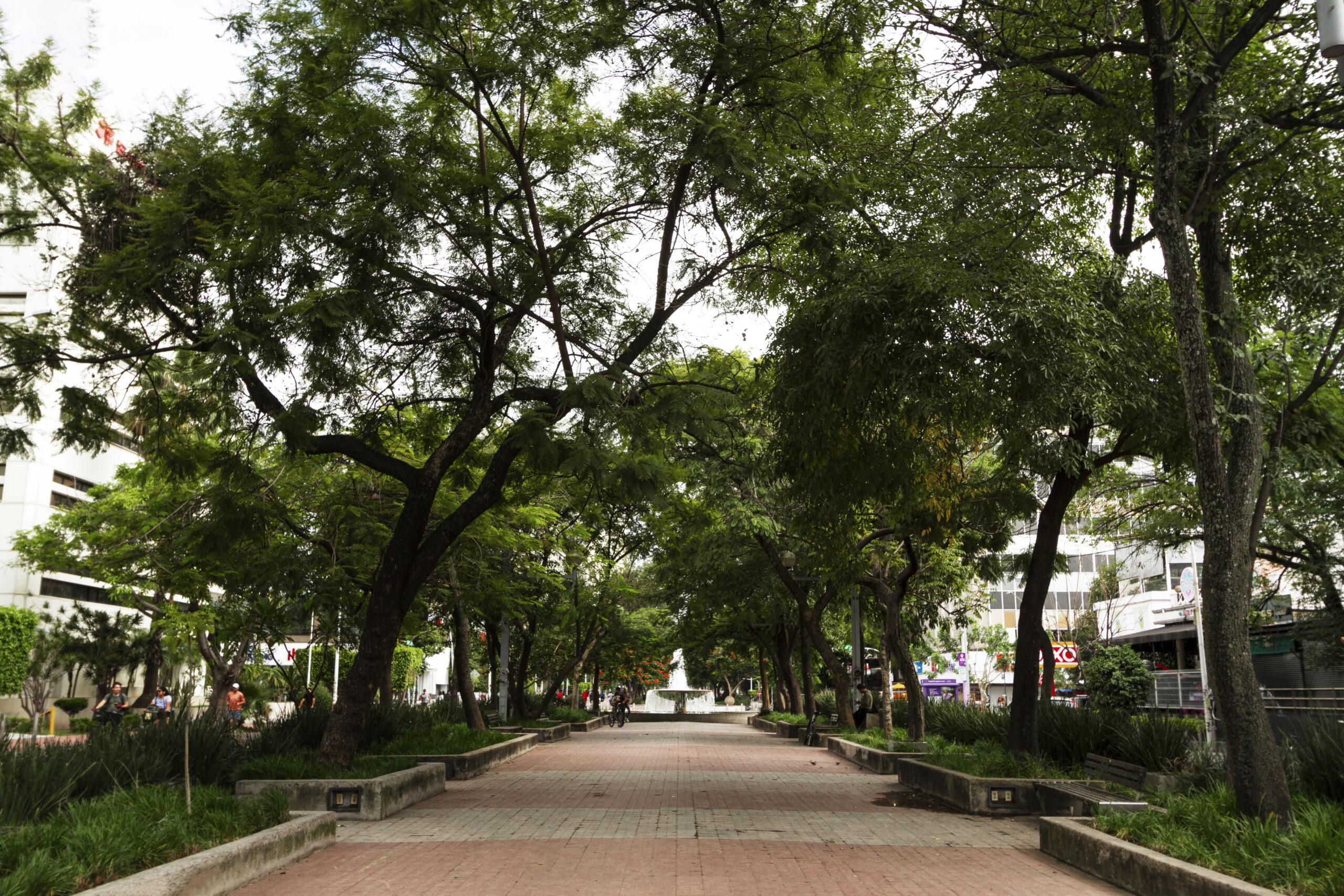
Urban trees have long been valued for their ability to capture carbon and cool cities, but new research is revealing a much broader story—one where trees serve not just as climate tools, but as pillars of public health, social equity, and economic resilience.
At EcoSphere Research Center, our latest urban ecology study dives deep into the multifaceted value of trees in metropolitan areas—and what we discovered confirms what many city dwellers already feel instinctively: greener cities are better cities.
Beyond Carbon Capture
While carbon sequestration remains an important benefit, it’s just the tip of the canopy. Our data from tree-planting projects across 10 U.S. cities shows that mature street trees:
- Lower ambient air temperatures by 3–5°F during peak heatwaves
- Improve air quality, significantly reducing particulate matter near high-traffic zones
- Decrease energy consumption by shading buildings and reducing A/C demand
But perhaps most interestingly, the benefits compound over time. A single 50-year-old oak in an urban neighborhood can provide over $10,000 in cumulative environmental services—from stormwater absorption to pollutant filtration.
Healthier Minds, Healthier Communities
The environmental effects of trees are measurable, but the social and psychological benefits may be even more profound. Our study found that neighborhoods with 20% more tree cover reported:
- Lower rates of cardiovascular disease and childhood asthma
- Improved mental health, with decreased self-reported anxiety and depression
- Higher levels of community trust and outdoor activity
“Urban trees are natural infrastructure. They don’t just clean our air—they shape how we feel, how we move, and how we connect with each other,” says Dr. Olivia Hayes, Director of Climate & Environmental Modeling at EcoSphere.
The Economic Equation
Trees are good for business too. Urban areas with established tree-lined streets saw:
- Increased property values (up to 15% higher)
- Boosts in local business foot traffic
- Improved retail performance, particularly in shaded commercial corridors
These findings are driving cities like Sacramento, Louisville, and Baltimore to include urban forestry in their economic development strategies.
Equity in the Urban Canopy
Not all neighborhoods benefit equally. Tree cover tends to be lower in low-income and historically marginalized communities, leading to hotter streets, worse air, and fewer public health protections.
That’s why our team is partnering with municipal leaders and local nonprofits to build “tree equity maps”—tools that help cities prioritize tree-planting efforts in underserved areas. We’re also developing AI tools to model the long-term benefits of equitable greening.
What Comes Next
Urban forestry is no longer just a beautification project—it’s a climate, health, and justice intervention rolled into one. At EcoSphere, we’re expanding our research into:
- Long-term health impacts of urban trees across demographics
- The best native species for resilience and biodiversity
- Policy recommendations for equitable, data-driven urban greening
We believe that every city deserves a healthy canopy—and every person deserves the benefits that come with it. Cities are growing—but our green spaces must grow with them. The future of urban resilience may be rooted in something as simple, and as powerful, as a tree.