
Data with Roots: How Indigenous Knowledge Enhances Climate Research
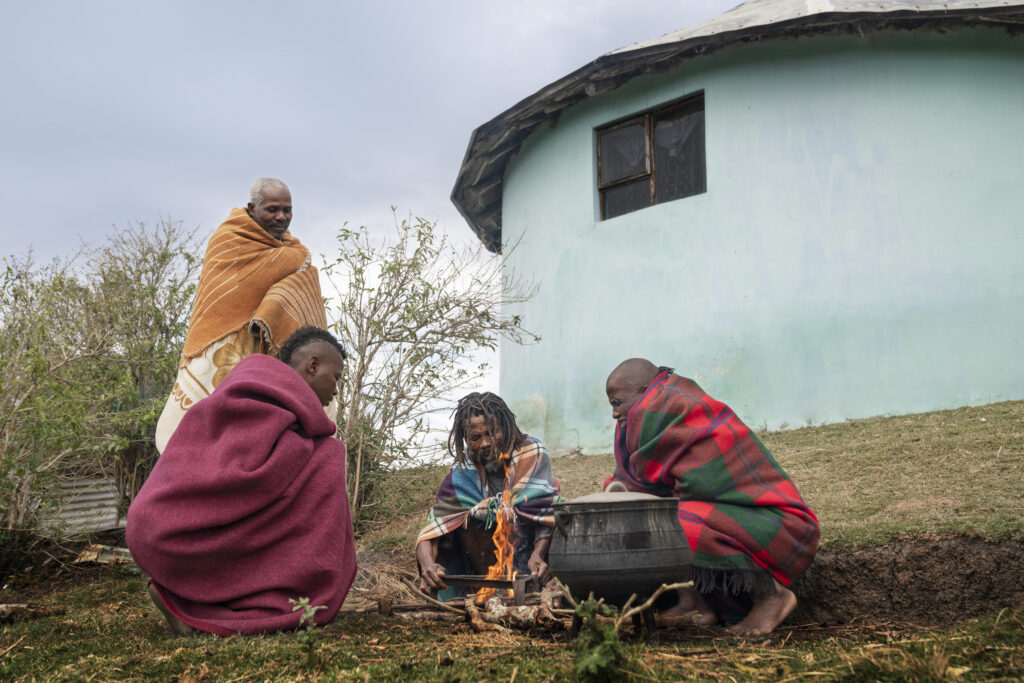
At EcoSphere Research Center, we believe that the most powerful environmental solutions are those grounded in both science and lived experience. In recent years, our climate research teams have been increasingly shaped by collaborations with Indigenous communities, whose traditional ecological knowledge (TEK) offers profound insight into land stewardship, resilience, and adaptation. These partnerships are not only advancing our understanding of ecosystems—they’re helping decolonize science by recognizing Indigenous peoples as knowledge holders, not just stakeholders. Why Traditional Knowledge Matters For millennia, Indigenous communities have tracked environmental changes through generational memory, oral histories, seasonal calendars, and careful land management practices. Unlike conventional data, which often spans decades at most, these knowledge systems offer multi-century perspectives on climate shifts, drought cycles, wildfire patterns, and species behavior. “What we call ‘climate adaptation,’ many Indigenous communities simply call life,” says Dr. Michaela Yazzie, Diné environmental scientist and EcoSphere advisor. “Our understanding isn’t new—it’s just newly being heard.” Collaborations in Action Fire Stewardship in the Pacific Northwest Working with Karuk and Yurok fire practitioners, our team developed fire models based on Indigenous burn schedules that reduce wildfire intensity and restore native plant life. The result: fewer megafires, healthier undergrowth, and improved food sources for wildlife and communities. Savannah Regeneration in East Africa In Kenya and Tanzania, we co-developed soil moisture models with Maasai and Hadza elders, integrating local indicators like plant phenology and animal migration patterns. These models are now informing sustainable grazing policies and climate risk assessments. River Health in British Columbia Through partnership with the Secwépemc Nation, EcoSphere’s aquatic science team used oral history and salmon migration narratives to validate long-term changes in river temperature and spawning behavior—data that had eluded satellite-based tracking. Building Ethical Research Relationships At the heart of these successes is a commitment to mutual respect, consent, and co-authorship. Our Indigenous partnerships are built on: EcoSphere researchers receive dedicated training on cultural humility, Indigenous data sovereignty, and how to listen—really listen—to the communities we serve. The Science Is Stronger Together Blending Western science with Indigenous knowledge doesn’t dilute the data—it deepens the understanding. Models become more precise. Solutions become more holistic. Policies become more inclusive. As climate threats grow, we need every tool—and every voice—available. Indigenous knowledge is not a supplement to science. It is science. And it is time we treat it that way.
Not Just Carbon: Understanding the Full Value of Urban Trees
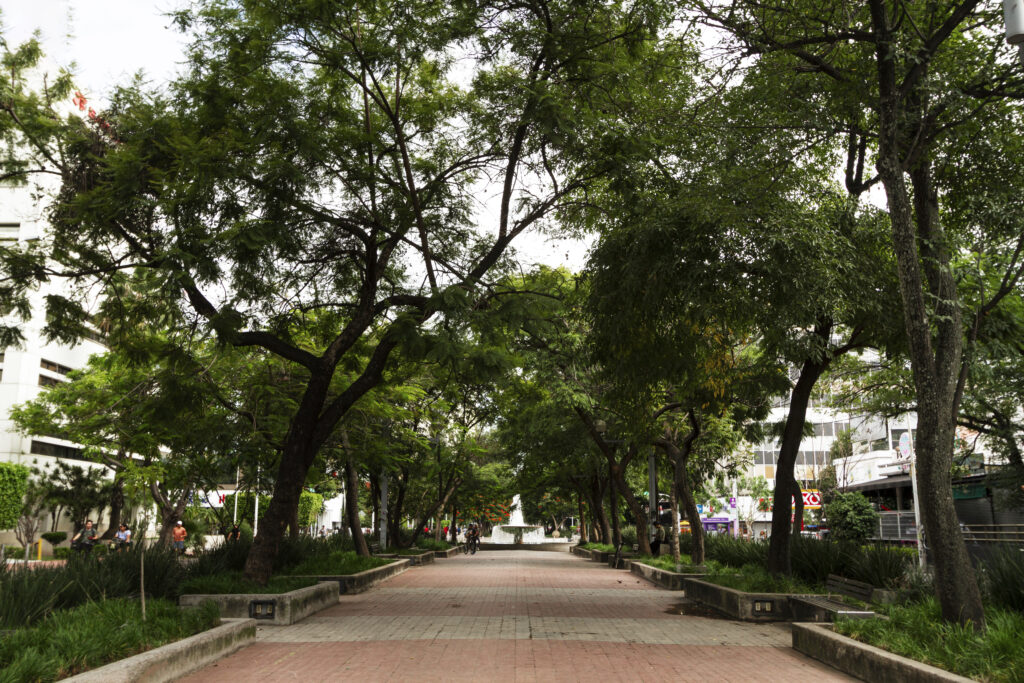
Urban trees have long been valued for their ability to capture carbon and cool cities, but new research is revealing a much broader story—one where trees serve not just as climate tools, but as pillars of public health, social equity, and economic resilience. At EcoSphere Research Center, our latest urban ecology study dives deep into the multifaceted value of trees in metropolitan areas—and what we discovered confirms what many city dwellers already feel instinctively: greener cities are better cities. Beyond Carbon Capture While carbon sequestration remains an important benefit, it’s just the tip of the canopy. Our data from tree-planting projects across 10 U.S. cities shows that mature street trees: But perhaps most interestingly, the benefits compound over time. A single 50-year-old oak in an urban neighborhood can provide over $10,000 in cumulative environmental services—from stormwater absorption to pollutant filtration. Healthier Minds, Healthier Communities The environmental effects of trees are measurable, but the social and psychological benefits may be even more profound. Our study found that neighborhoods with 20% more tree cover reported: “Urban trees are natural infrastructure. They don’t just clean our air—they shape how we feel, how we move, and how we connect with each other,” says Dr. Olivia Hayes, Director of Climate & Environmental Modeling at EcoSphere. The Economic Equation Trees are good for business too. Urban areas with established tree-lined streets saw: These findings are driving cities like Sacramento, Louisville, and Baltimore to include urban forestry in their economic development strategies. Equity in the Urban Canopy Not all neighborhoods benefit equally. Tree cover tends to be lower in low-income and historically marginalized communities, leading to hotter streets, worse air, and fewer public health protections. That’s why our team is partnering with municipal leaders and local nonprofits to build “tree equity maps”—tools that help cities prioritize tree-planting efforts in underserved areas. We’re also developing AI tools to model the long-term benefits of equitable greening. What Comes Next Urban forestry is no longer just a beautification project—it’s a climate, health, and justice intervention rolled into one. At EcoSphere, we’re expanding our research into: We believe that every city deserves a healthy canopy—and every person deserves the benefits that come with it. Cities are growing—but our green spaces must grow with them. The future of urban resilience may be rooted in something as simple, and as powerful, as a tree.
The Hidden Architects of the Ecosystem: Why Fungi Deserve a Spotlight
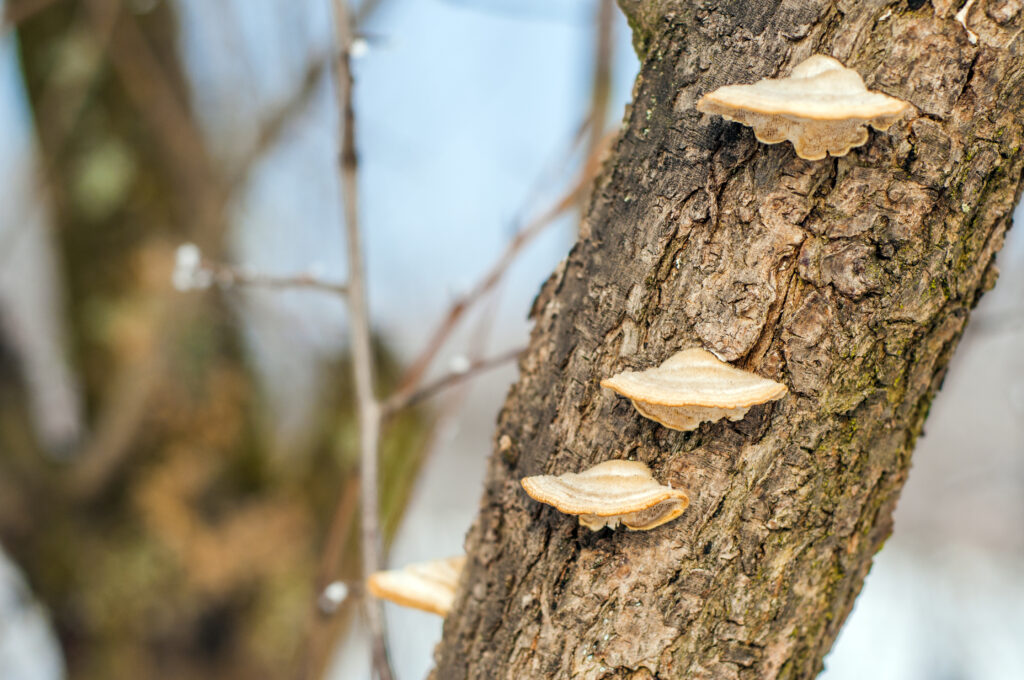
When we think of forest conservation, towering trees, elusive wildlife, and lush canopies usually steal the spotlight. But beneath our feet, a quieter force is at work—fungi, the invisible engineers that hold entire ecosystems together. At EcoSphere Research Center, our recent studies have deepened our understanding of mycorrhizal networks—the underground web of fungi that form symbiotic relationships with trees. The more we uncover, the more we realize: if forests are living cities, fungi are their infrastructure. The Underground Network That Feeds the Forest Mycorrhizae are specialized fungi that colonize tree roots, forming an underground lattice known colloquially as the “wood wide web.” Through this network: Our research in temperate and boreal forests shows that tree survival and growth rates increase by over 40% in areas with rich fungal networks. Forests with disrupted fungal communities—due to soil compaction, chemical use, or clearcutting—struggle to regenerate even when replanted. Climate Change’s Silent Victim One of the lesser-known casualties of climate change is the fungal biome. Rising soil temperatures, altered precipitation, and pollution can severely disrupt fungal diversity. This, in turn, reduces a forest’s ability to adapt to stress, absorb carbon, and sustain biodiversity. Our recent fieldwork in British Columbia documented a 30% decline in ectomycorrhizal fungi diversity in areas experiencing unseasonal heatwaves. This loss had measurable impacts on tree nutrient uptake and soil stability. Rethinking Forest Restoration Historically, reforestation efforts have focused on planting trees—but not necessarily rebuilding the soil microbiome. Now, a new wave of fungi-focused restoration is changing that. By reintroducing native fungal species alongside saplings, we’re seeing faster tree establishment and higher ecosystem resilience. In collaboration with local Indigenous groups, we’re also documenting traditional knowledge of fungal ecosystems, which has guided forest stewardship for centuries. Fungi in the Spotlight It’s time to rethink our relationship with fungi—not as background players but as keystone components of forest health. Their roles in nutrient cycling, disease resistance, and inter-species communication make them critical allies in the fight against climate change. At EcoSphere, we’re investing in long-term mycology research and launching new initiatives to map fungal biodiversity across North America. Our goal is not only to understand these organisms better, but to ensure that fungi are factored into global conservation policies and forest management strategies. In a world racing to rewild and reforest, the smallest players may be the most essential. It’s time we listened to the forest’s quietest voice.
Can Drones Save the Forest? A New Look at Aerial Reforestation
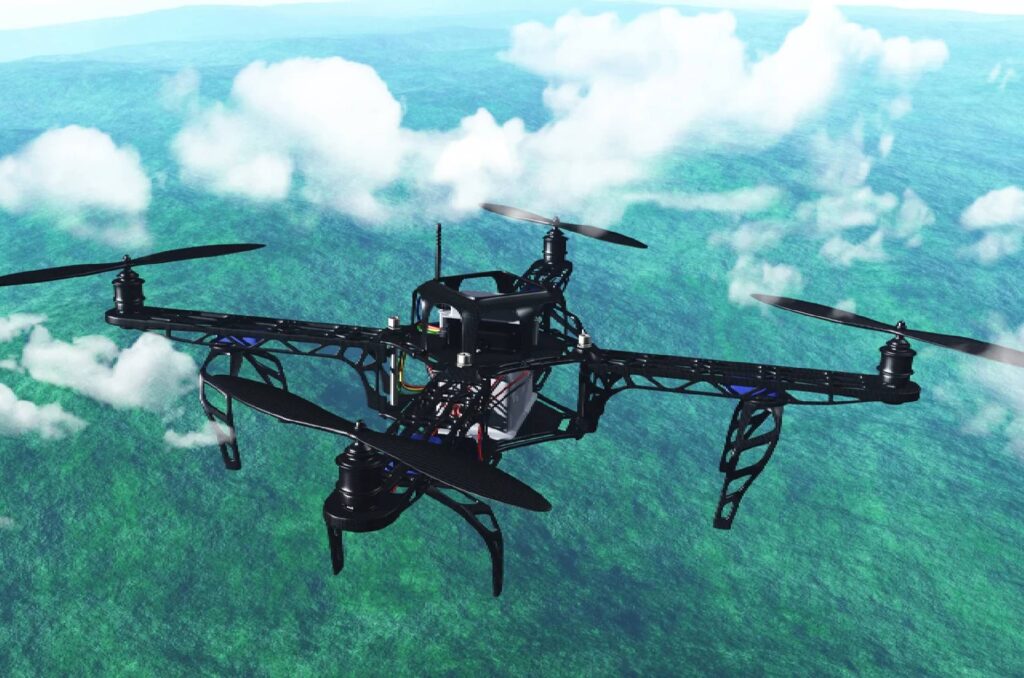
From delivering packages to capturing stunning landscape photography, drones have come a long way in recent years. But perhaps their most transformative application is unfolding high above our forests—where unmanned aerial vehicles (UAVs) are rewriting the future of conservation and reforestation. At EcoSphere Research Center, we’ve been exploring the use of drones in aerial reforestation, biodiversity mapping, and post-disturbance recovery. What we’re seeing isn’t just a tech upgrade—it’s a paradigm shift. Planting from the Sky Traditional reforestation methods are often labor-intensive, time-consuming, and difficult to deploy in remote or rugged terrain. Enter aerial reforestation: drones equipped with seed pods that can be released over vast landscapes in a fraction of the time. The new generation of drones doesn’t just scatter seeds randomly—they’re GPS-guided and terrain-aware, allowing for targeted planting based on soil conditions, topography, and microclimates. Some seed pods even include nutrients or protective casings to increase germination success. In trials across degraded zones in the Pacific Northwest and Southeast Asia, drone-assisted replanting achieved 60% faster coverage than manual methods—with higher survival rates for native species. Eyes in the Sky for Ecosystem Health But drones do more than plant—they monitor. Using multi-spectral imaging, drones can scan forest canopies for: In just one flight, researchers can capture gigabytes of ecological data—creating 3D forest models, mapping biodiversity corridors, and tracking regeneration after wildfires or logging events. This level of real-time, high-resolution insight was almost unimaginable a decade ago. Now, it’s becoming a standard part of our conservation toolkit. Challenges and Cautions Of course, no technology is a silver bullet. Aerial reforestation still requires on-the-ground validation to ensure that seeds take root, grow, and integrate into the surrounding ecosystem. Not all landscapes are suitable for drone planting, and over-reliance on technology without local knowledge can backfire. Moreover, there are ethical and ecological considerations—such as respecting Indigenous land rights, avoiding monoculture planting, and ensuring that drone use doesn’t disturb wildlife. That’s why our approach at EcoSphere always integrates community consultation, ecological assessment, and post-deployment monitoring alongside drone missions. A Complement, Not a Replacement In the end, drones are not replacing forest rangers, botanists, or community forest stewards. They’re enhancing their work—making it faster, safer, and more informed.By bridging tech innovation with ecological expertise, drones offer a powerful tool in the race against deforestation and climate change. The sky, quite literally, is no longer the limit.
When the Soil Speaks: What Our Latest Data Tells Us About Post-Fire Recovery
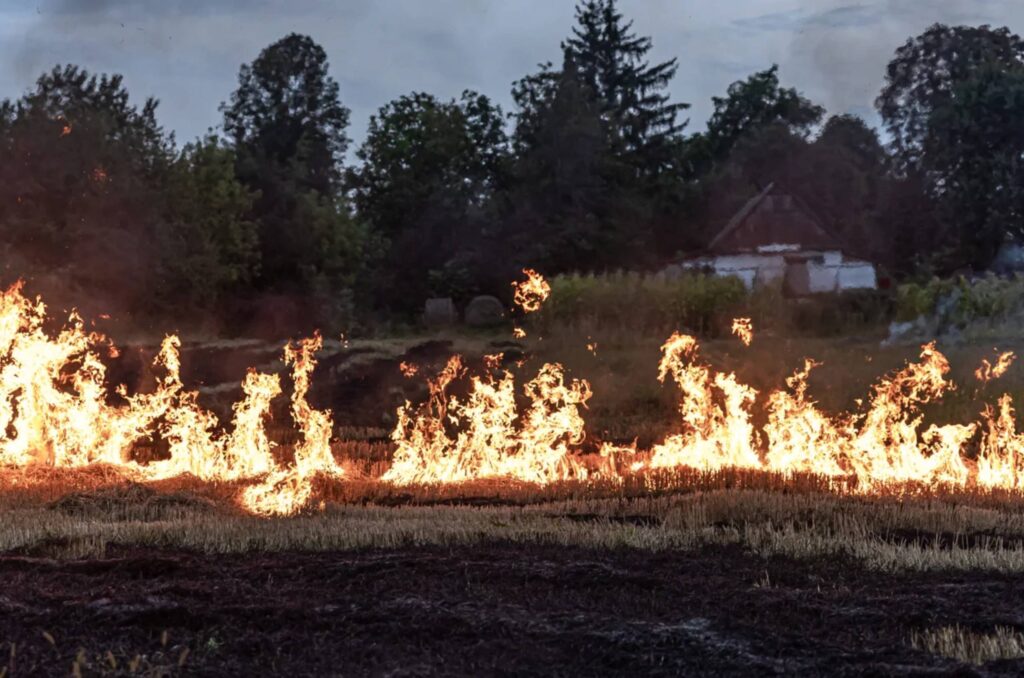
When the last embers die and the smoke clears, what remains is not just charred earth—but the beginning of a story. In the wake of wildfires, the soil beneath our feet holds crucial insights about how ecosystems heal, adapt, and sometimes transform entirely. At EcoSphere Research Center, our post-fire regeneration study in Oregon has been listening to that story—and what we’ve heard has surprised even the most experienced members of our team. Rebuilding from Below Soil is more than a foundation; it’s a living, breathing ecosystem teeming with microbial life, organic matter, and invisible networks of recovery. In late 2023, we began a multi-season analysis of several forest plots affected by the Mill Creek Fire in Oregon’s Willamette Valley. Our aim? To track the pace and patterns of natural regeneration—from microbial activity to seedling emergence. What we found within the first few months defied some long-held assumptions. Early Indicators of Resilience Despite extreme burn severity in parts of the region, our soil health indicators—microbial respiration, nitrogen cycling rates, and fungal spore counts—showed unexpectedly rapid signs of rebound in certain plots. Mycorrhizal fungi, long considered slow to return after intense fires, began recolonizing root zones within 90 days. Some native plant species, like fireweed and Oregon white oak, showed near-immediate germination. Even in high-burn zones, buried seeds that had laid dormant for years began sprouting in response to the heat-triggered cues. It’s a form of ecological memory—nature’s way of building in a reboot switch. Fire Severity vs. Fire Frequency One of the more complex findings was the relationship between fire frequency and soil resilience. In areas that had experienced smaller burns in recent decades, we saw quicker recovery and richer post-fire biodiversity than in forests untouched by fire for over a century. This lends weight to what Indigenous fire stewards have long emphasized: that regular, low-intensity burns—rather than complete suppression—are vital for long-term ecosystem health. Our data suggests that the soil, when given the right fire history and space to breathe, can be both a record-keeper and a repair system. What This Means for Forest Management For land managers and policymakers, these findings underscore a key truth: fire isn’t always the end—it’s often a beginning. Rather than focusing only on replanting or erosion control post-fire, we need to listen to what the soil is already doing. In some cases, nature may be a better healer than we assume, especially if we allow its regenerative processes to unfold. That doesn’t mean inaction—but rather, informed support. Using tools like drone-assisted soil mapping, microbial DNA sequencing, and time-lapse monitoring, we can align our interventions with what the land is telling us. A Living Laboratory Our Oregon study continues into 2025, expanding to include carbon sequestration metrics and pollinator activity in newly regenerating zones. This landscape, scarred but not broken, is now a living lab—one where science meets storytelling, and where the whispers of the soil are finally being heard.Because post-fire landscapes are not just burned—they’re alive, and speaking volumes.
Listening to the Forest: How Acoustic Monitoring is Revolutionizing Conservation
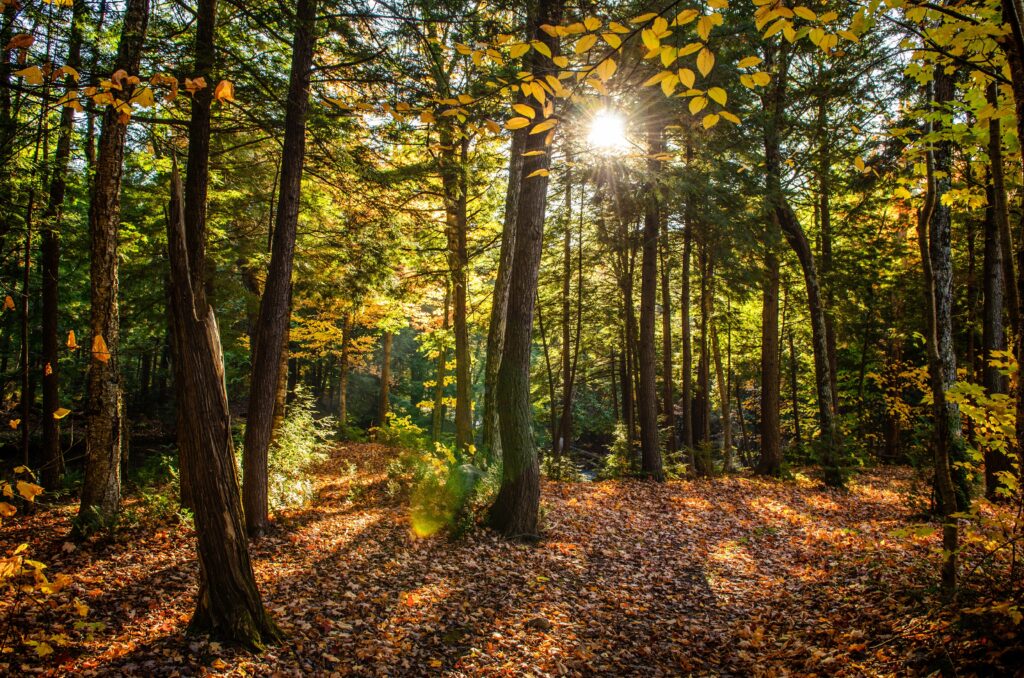
In conservation science, silence can be as telling as a scream. Forests, long thought of as quiet sanctuaries, are in fact rich with life—chirps, croaks, buzzes, and howls. These sounds, the forest’s “bioacoustic signature,” reveal far more than meets the eye. And now, with the help of AI-enabled acoustic sensors, we’re learning to listen like never before. Why Sound Matters in Conservation Traditional biodiversity monitoring has relied heavily on visual sightings and camera traps. While still valuable, these tools often miss the subtleties and rhythms of wildlife communication—especially for elusive, nocturnal, or canopy-dwelling species. Acoustic monitoring, by contrast, allows us to capture the forest’s 24-hour symphony. Every bird call, frog croak, and rustle becomes data. Over time, these patterns help us detect changes in species presence, migration behaviors, and even early signs of ecosystem stress—such as the disappearance of keystone species. AI Meets Ecology: Smarter Listening At EcoSphere Research Center, we’ve deployed a growing network of solar-powered, weather-resistant acoustic sensors across multiple research sites in Southeast Asia and the Pacific Northwest. These devices record soundscapes in high fidelity and upload data to cloud-based platforms, where artificial intelligence takes over. Using machine learning models trained on thousands of species-specific vocalizations, we can automatically identify and track the presence of dozens of species simultaneously—sometimes even detecting individuals not seen for years. The technology doesn’t just monitor wildlife—it learns with each passing day, becoming more accurate and context-aware. Real-Time Conservation Insights In one recent example, our field station in Malaysian Borneo detected the return of the Sunda laughingthrush—a bird thought to have retreated from the area due to logging. We were able to alert local conservation partners within days of the first call being detected. Instead of waiting months for camera verification or field confirmation, action could be taken immediately to protect that part of the habitat. This immediacy is game-changing, especially in regions where deforestation and climate change move faster than most monitoring methods can keep up. Non-Invasive, Cost-Effective, Scalable Unlike physical tagging or human-led observation, acoustic monitoring is non-invasive—no traps, no disruption, no stress on animals. It also offers a cost-effective way to scale biodiversity research. A single sensor can collect more data in a week than a small field team might in months. As we expand the network, we’re also building open-access sound libraries and tools so local scientists, students, and conservationists can engage directly with the data—turning raw sound into shared knowledge. A Future of Listening The forest is speaking. Thanks to acoustic monitoring and AI, we’re finally learning how to listen—and more importantly, how to respond. As climate threats mount and biodiversity declines accelerate, this technology offers a way forward: one that is intelligent, collaborative, and rooted in the power of attention.Because sometimes, saving the forest starts with hearing it.