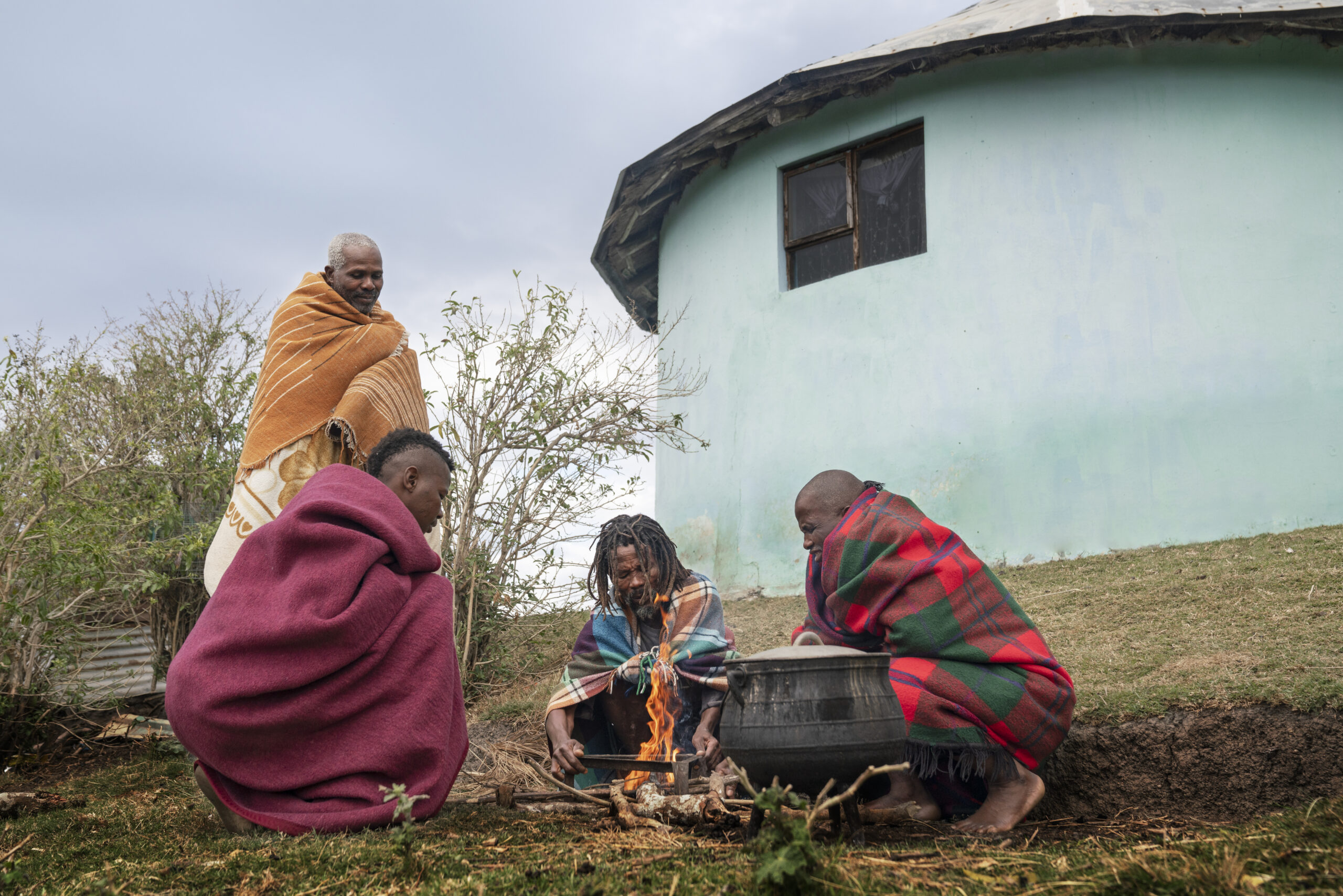
At EcoSphere Research Center, we believe that the most powerful environmental solutions are those grounded in both science and lived experience. In recent years, our climate research teams have been increasingly shaped by collaborations with Indigenous communities, whose traditional ecological knowledge (TEK) offers profound insight into land stewardship, resilience, and adaptation.
These partnerships are not only advancing our understanding of ecosystems—they’re helping decolonize science by recognizing Indigenous peoples as knowledge holders, not just stakeholders.
Why Traditional Knowledge Matters
For millennia, Indigenous communities have tracked environmental changes through generational memory, oral histories, seasonal calendars, and careful land management practices. Unlike conventional data, which often spans decades at most, these knowledge systems offer multi-century perspectives on climate shifts, drought cycles, wildfire patterns, and species behavior.
“What we call ‘climate adaptation,’ many Indigenous communities simply call life,” says Dr. Michaela Yazzie, Diné environmental scientist and EcoSphere advisor. “Our understanding isn’t new—it’s just newly being heard.”
Collaborations in Action
Fire Stewardship in the Pacific Northwest
Working with Karuk and Yurok fire practitioners, our team developed fire models based on Indigenous burn schedules that reduce wildfire intensity and restore native plant life. The result: fewer megafires, healthier undergrowth, and improved food sources for wildlife and communities.
Savannah Regeneration in East Africa
In Kenya and Tanzania, we co-developed soil moisture models with Maasai and Hadza elders, integrating local indicators like plant phenology and animal migration patterns. These models are now informing sustainable grazing policies and climate risk assessments.
River Health in British Columbia
Through partnership with the Secwépemc Nation, EcoSphere’s aquatic science team used oral history and salmon migration narratives to validate long-term changes in river temperature and spawning behavior—data that had eluded satellite-based tracking.
Building Ethical Research Relationships
At the heart of these successes is a commitment to mutual respect, consent, and co-authorship. Our Indigenous partnerships are built on:
- Free, Prior, and Informed Consent (FPIC)
- Shared decision-making throughout the research cycle
- Benefit-sharing that supports community-led conservation efforts
EcoSphere researchers receive dedicated training on cultural humility, Indigenous data sovereignty, and how to listen—really listen—to the communities we serve.
The Science Is Stronger Together
Blending Western science with Indigenous knowledge doesn’t dilute the data—it deepens the understanding. Models become more precise. Solutions become more holistic. Policies become more inclusive.
As climate threats grow, we need every tool—and every voice—available. Indigenous knowledge is not a supplement to science. It is science. And it is time we treat it that way.