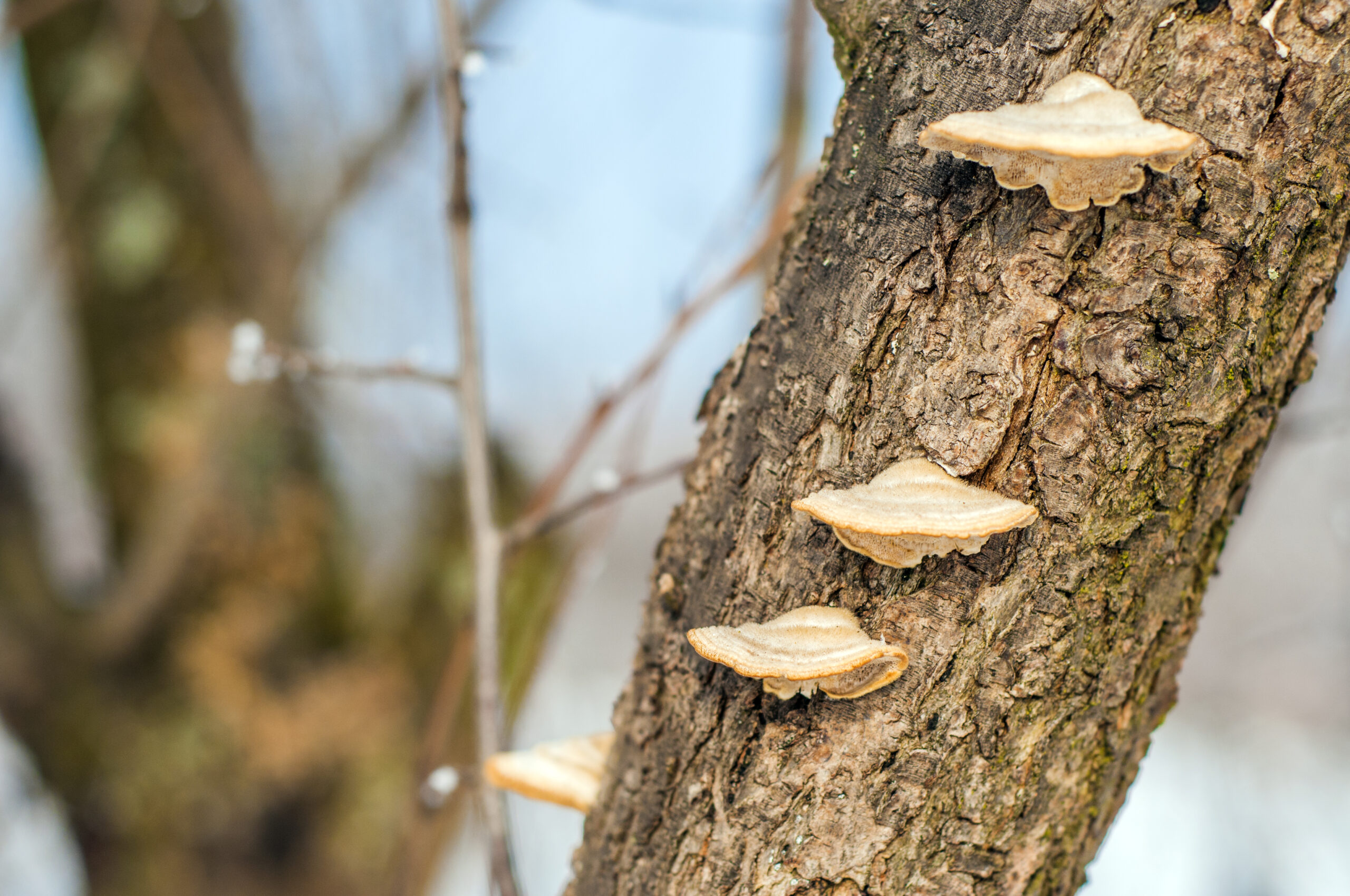
When we think of forest conservation, towering trees, elusive wildlife, and lush canopies usually steal the spotlight. But beneath our feet, a quieter force is at work—fungi, the invisible engineers that hold entire ecosystems together.
At EcoSphere Research Center, our recent studies have deepened our understanding of mycorrhizal networks—the underground web of fungi that form symbiotic relationships with trees. The more we uncover, the more we realize: if forests are living cities, fungi are their infrastructure.
The Underground Network That Feeds the Forest
Mycorrhizae are specialized fungi that colonize tree roots, forming an underground lattice known colloquially as the “wood wide web.” Through this network:
- Trees share nutrients, like nitrogen and phosphorus
- Older trees can support seedlings by transferring carbon
- Signals about drought or disease travel across species
Our research in temperate and boreal forests shows that tree survival and growth rates increase by over 40% in areas with rich fungal networks. Forests with disrupted fungal communities—due to soil compaction, chemical use, or clearcutting—struggle to regenerate even when replanted.
Climate Change’s Silent Victim
One of the lesser-known casualties of climate change is the fungal biome. Rising soil temperatures, altered precipitation, and pollution can severely disrupt fungal diversity. This, in turn, reduces a forest’s ability to adapt to stress, absorb carbon, and sustain biodiversity.
Our recent fieldwork in British Columbia documented a 30% decline in ectomycorrhizal fungi diversity in areas experiencing unseasonal heatwaves. This loss had measurable impacts on tree nutrient uptake and soil stability.
Rethinking Forest Restoration
Historically, reforestation efforts have focused on planting trees—but not necessarily rebuilding the soil microbiome. Now, a new wave of fungi-focused restoration is changing that. By reintroducing native fungal species alongside saplings, we’re seeing faster tree establishment and higher ecosystem resilience.
In collaboration with local Indigenous groups, we’re also documenting traditional knowledge of fungal ecosystems, which has guided forest stewardship for centuries.
Fungi in the Spotlight
It’s time to rethink our relationship with fungi—not as background players but as keystone components of forest health. Their roles in nutrient cycling, disease resistance, and inter-species communication make them critical allies in the fight against climate change.
At EcoSphere, we’re investing in long-term mycology research and launching new initiatives to map fungal biodiversity across North America. Our goal is not only to understand these organisms better, but to ensure that fungi are factored into global conservation policies and forest management strategies.
In a world racing to rewild and reforest, the smallest players may be the most essential. It’s time we listened to the forest’s quietest voice.