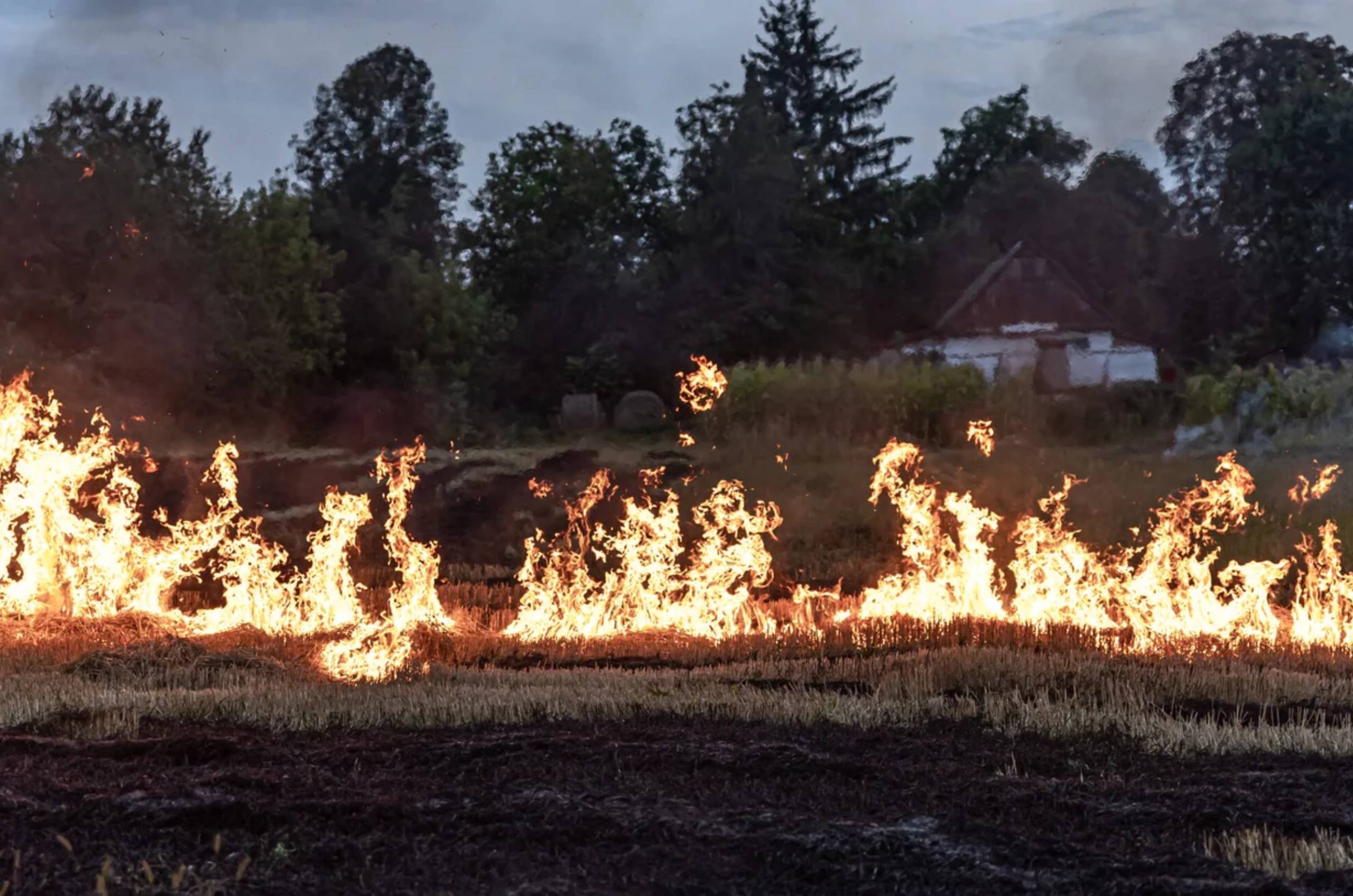
When the last embers die and the smoke clears, what remains is not just charred earth—but the beginning of a story. In the wake of wildfires, the soil beneath our feet holds crucial insights about how ecosystems heal, adapt, and sometimes transform entirely. At EcoSphere Research Center, our post-fire regeneration study in Oregon has been listening to that story—and what we’ve heard has surprised even the most experienced members of our team.
Rebuilding from Below
Soil is more than a foundation; it’s a living, breathing ecosystem teeming with microbial life, organic matter, and invisible networks of recovery. In late 2023, we began a multi-season analysis of several forest plots affected by the Mill Creek Fire in Oregon’s Willamette Valley. Our aim? To track the pace and patterns of natural regeneration—from microbial activity to seedling emergence.
What we found within the first few months defied some long-held assumptions.
Early Indicators of Resilience
Despite extreme burn severity in parts of the region, our soil health indicators—microbial respiration, nitrogen cycling rates, and fungal spore counts—showed unexpectedly rapid signs of rebound in certain plots. Mycorrhizal fungi, long considered slow to return after intense fires, began recolonizing root zones within 90 days. Some native plant species, like fireweed and Oregon white oak, showed near-immediate germination.
Even in high-burn zones, buried seeds that had laid dormant for years began sprouting in response to the heat-triggered cues. It’s a form of ecological memory—nature’s way of building in a reboot switch.
Fire Severity vs. Fire Frequency
One of the more complex findings was the relationship between fire frequency and soil resilience. In areas that had experienced smaller burns in recent decades, we saw quicker recovery and richer post-fire biodiversity than in forests untouched by fire for over a century. This lends weight to what Indigenous fire stewards have long emphasized: that regular, low-intensity burns—rather than complete suppression—are vital for long-term ecosystem health.
Our data suggests that the soil, when given the right fire history and space to breathe, can be both a record-keeper and a repair system.
What This Means for Forest Management
For land managers and policymakers, these findings underscore a key truth: fire isn’t always the end—it’s often a beginning. Rather than focusing only on replanting or erosion control post-fire, we need to listen to what the soil is already doing. In some cases, nature may be a better healer than we assume, especially if we allow its regenerative processes to unfold.
That doesn’t mean inaction—but rather, informed support. Using tools like drone-assisted soil mapping, microbial DNA sequencing, and time-lapse monitoring, we can align our interventions with what the land is telling us.
A Living Laboratory
Our Oregon study continues into 2025, expanding to include carbon sequestration metrics and pollinator activity in newly regenerating zones. This landscape, scarred but not broken, is now a living lab—one where science meets storytelling, and where the whispers of the soil are finally being heard.Because post-fire landscapes are not just burned—they’re alive, and speaking volumes.